Unveiling Interlinked Progression Routes from Entry Incentives to Sustained Participation Structures in Portable Table Interactions, Card Competitions, and Event Wagering Platforms
Noah Klein · Sep 19, 2026
Unveiling Interlinked Progression Routes from Entry Incentives to Sustained Participation Structures in Portable Table Interactions, Card Competitions, and Event Wagering Platforms
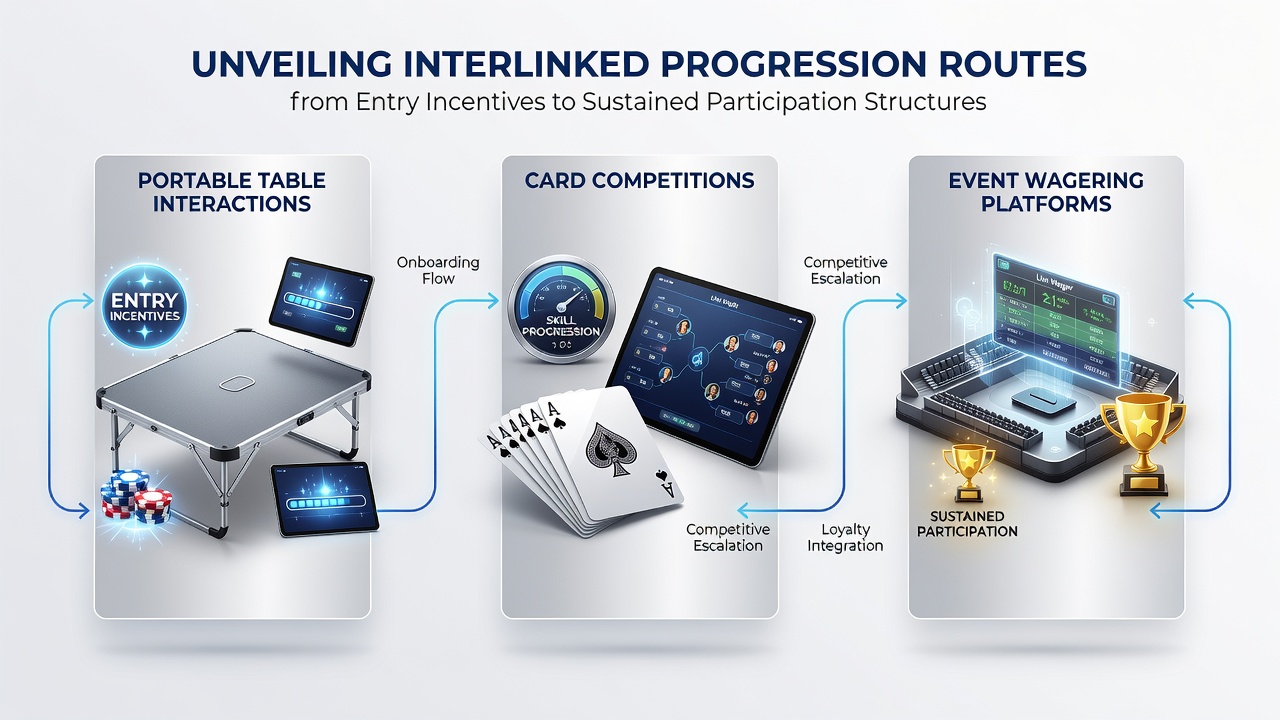
Portable table interactions, card competitions, and event wagering platforms connect entry incentives with longer-term participation structures through carefully designed sequences that begin with deposit-free offers and coded rewards, then shift users toward sustained engagement via tiered loyalty programs and recurring benefits. Research from the American Gaming Association indicates that operators structure these routes so initial no-deposit credits and free spins transition into points-based systems where accumulated activity unlocks higher status levels across mobile blackjack tables, poker rooms, and sports betting interfaces. Data shows these pathways operate simultaneously rather than in isolation, allowing activity in one area to influence rewards in others.
Entry-Level Mechanisms and Their Integration
Operators launch participation with sign-up bonuses that require no initial deposit yet credit accounts with playable amounts or spin packages redeemable on portable devices. These incentives link directly to card competition environments where the same credits apply to tournament entries or cash games, while event wagering platforms accept them for initial bet placements on upcoming matches. According to figures from the Nevada Gaming Control Board, such entry points appear in over seventy percent of regulated mobile offerings, creating measurable uptake that feeds into subsequent tracking systems. Users who activate these offers encounter coded triggers that register activity and prepare accounts for automatic enrollment in loyalty tracking without separate registration steps.
Transition Points from Initial Access to Ongoing Structures
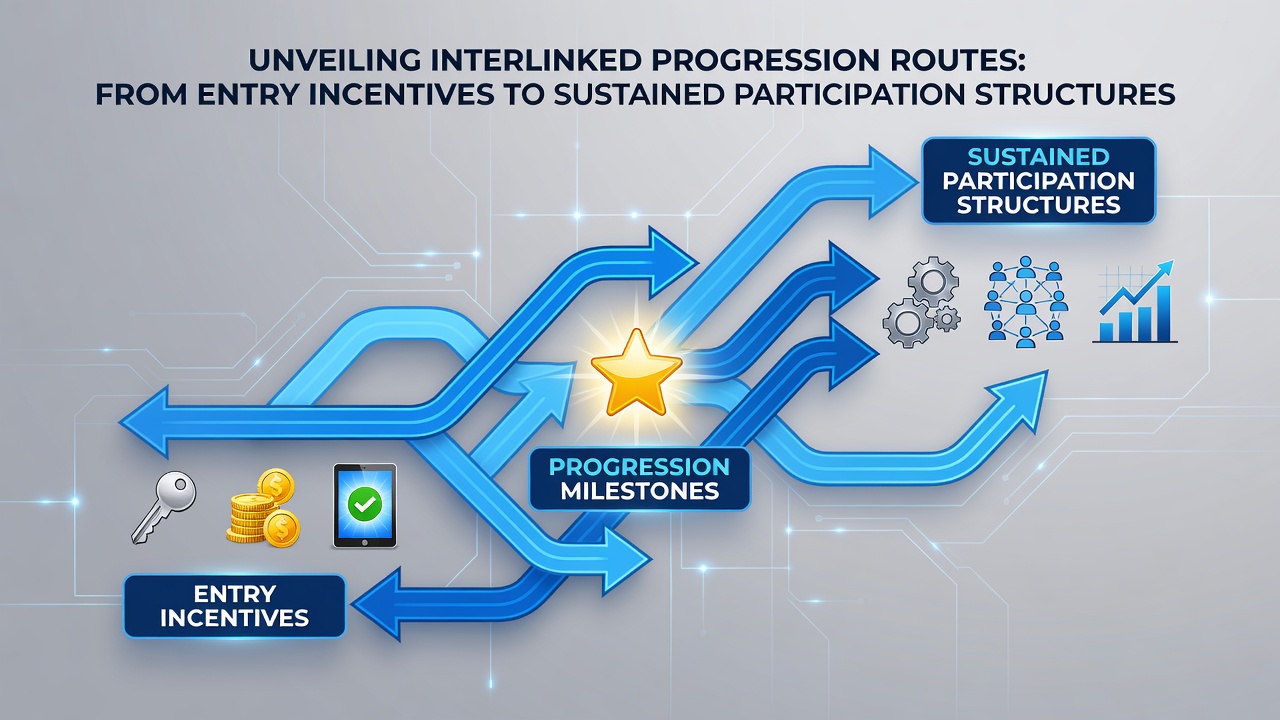
Progression occurs when initial play volumes reach thresholds that convert temporary credits into permanent loyalty points transferable across game types. Mobile table sessions contribute points that apply toward poker room status, while sports event wagers add to the same cumulative totals. Studies from the Australian Gambling Research Centre reveal that platforms synchronise these counters so activity on September 2026 schedules, including major league fixtures and live dealer promotions, accelerates movement through tiers without requiring platform switches. Observers note that coded phrases entered during this phase remove wagering requirements on certain rewards, allowing seamless movement from free spin outcomes into deposit-matched loyalty accelerators.
Layered Reward Accumulation Across Formats
Once inside the participation structures, users encounter multi-format accumulation where portable table wins generate points usable in card competitions and vice versa. Event wagering outcomes feed the same ledgers, creating unified progress bars visible on handheld interfaces. Industry reports from the Canadian Gaming Association document that operators maintain separate yet interlinked ledgers for each vertical while merging them for status calculations, so a streak of successful sports bets can elevate a player's poker tournament buy-in privileges. This interconnection reduces fragmentation and encourages consistent returns across all three areas rather than isolated sessions.
Status Elevation and Retention Features
Higher tiers unlock personalised incentives such as reduced rake in card rooms, exclusive live dealer tables with enhanced payout tables, and early access to high-odds sports markets. Retention mechanisms include weekly reload structures that scale with tier level and milestone celebrations tied to cumulative activity dates. Research published by the University of Nevada Reno's gaming studies division shows these escalators maintain engagement rates above baseline levels for periods exceeding six months when pathways remain visible and attainable through regular play patterns. Operators adjust thresholds periodically, yet the core sequence from entry credit to elite access stays consistent across regions.
Cross-Platform Tracking and User Navigation
Backend systems record every spin, hand, and wager under a single user identifier, allowing real-time status updates across applications. Navigation tools display remaining requirements for the next tier alongside suggested activities in tables, cards, or events that yield the highest point returns. Participants who explore these routes discover that coded bonuses serve as shortcuts while organic play builds the foundation, with both methods converging on the same participation milestones. Government data from the New Jersey Division of Gaming Enforcement confirms transparent display of these routes correlates with higher completion rates among registered accounts.
Conclusion
Interlinked progression routes in portable table interactions, card competitions, and event wagering platforms function as coordinated sequences that convert initial incentives into sustained structures through shared tracking, threshold achievements, and tiered benefits. These systems rely on simultaneous activity across formats rather than linear movement, with September 2026 trends showing continued refinement of cross-vertical point systems. Operators maintain these frameworks to support measurable retention while users navigate visible pathways from entry credits toward elevated status levels.