Tracing Seasonal Offer Cycles and Their Influence on Tier Progression in Virtual Gaming Environments
Frankie Lorenz · Oct 31, 2026
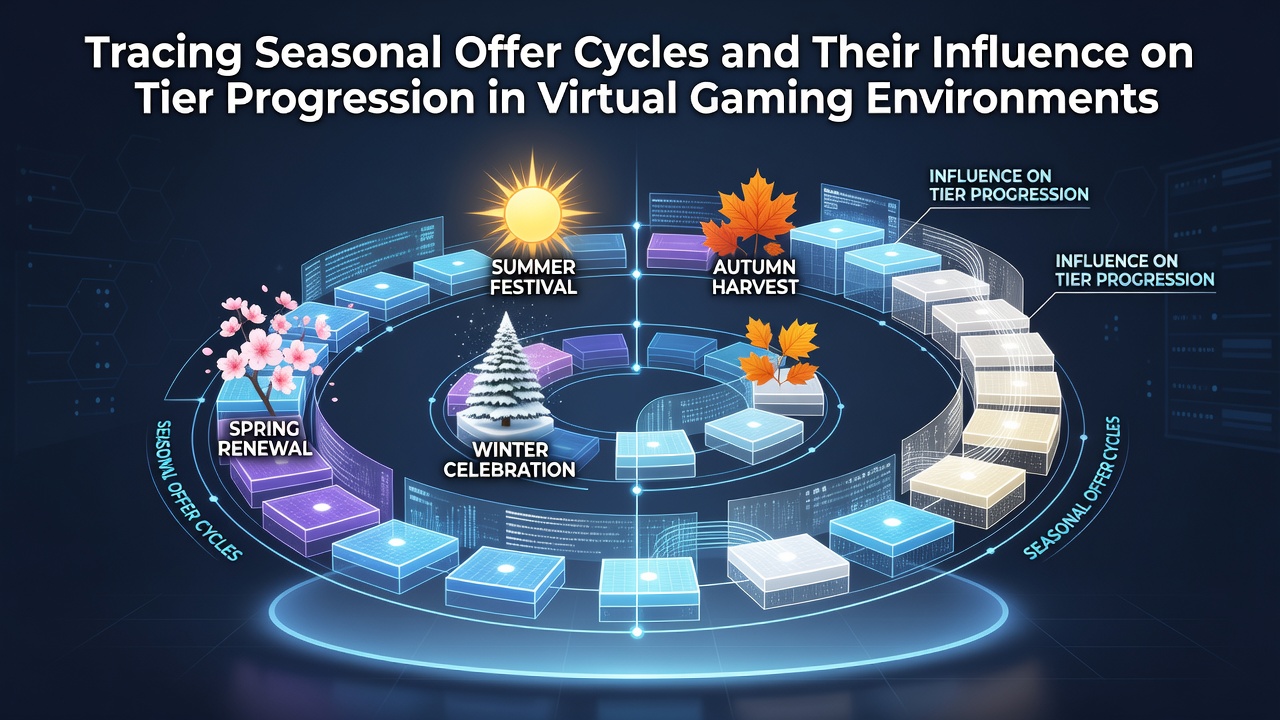
Tracing Seasonal Offer Cycles and Their Influence on Tier Progression in Virtual Gaming Environments
Seasonal offer cycles in virtual gaming environments operate through recurring patterns tied to calendar events, and these cycles directly shape how players advance through tiered progression systems in games ranging from battle royale titles to massively multiplayer online experiences; researchers track these patterns across major platforms where limited-time rewards align with real-world holidays and game anniversaries, creating predictable windows for accelerated rank climbs and resource accumulation.
Patterns in Seasonal Offer Structures
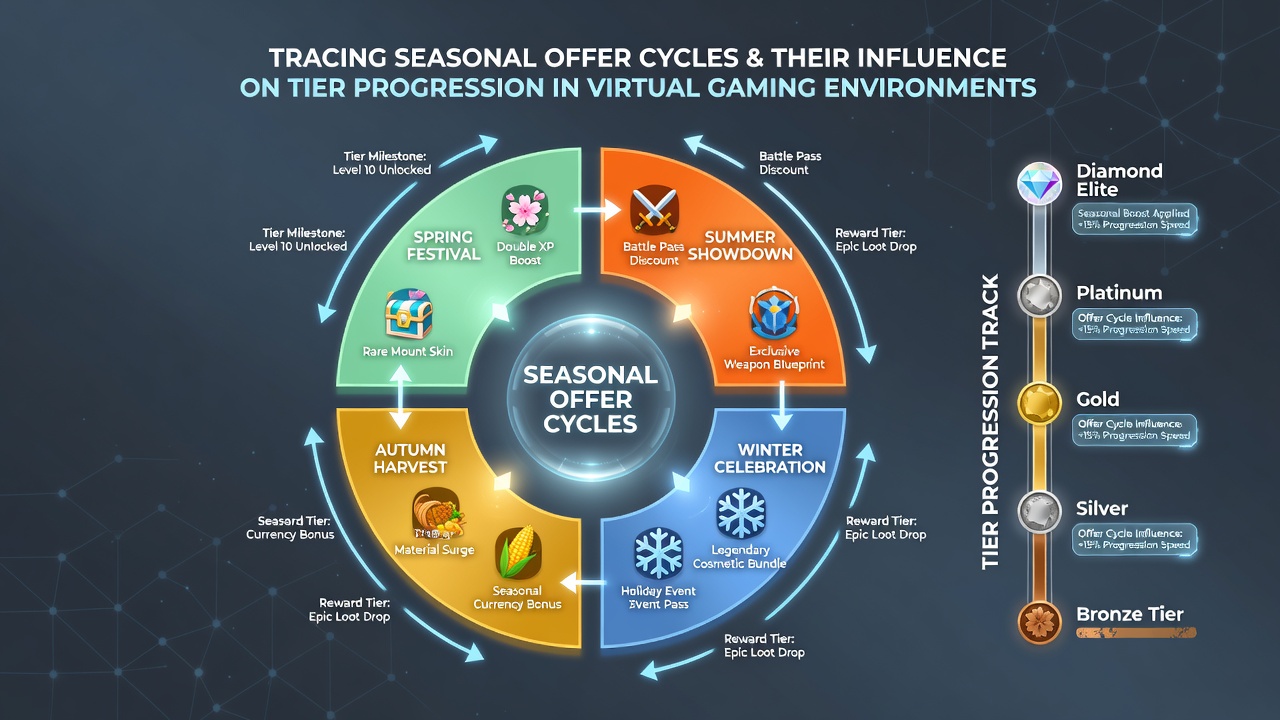
Observers note that seasonal offers typically unfold in distinct phases beginning with teaser announcements weeks before the main event, followed by core content drops that include exclusive cosmetics, experience multipliers, and tier-specific challenges; data from industry reports shows these phases often last four to eight weeks, with peak activity concentrated around October through December when multiple titles overlap their fall and winter campaigns, and players who align their participation with these windows gain compounding advantages in tier systems that reward consistent engagement over shorter periods.
Game developers coordinate these cycles with external calendars, so titles release Halloween-themed events in late September that extend into November, then transition into holiday reward tracks that emphasize tier unlocks through daily login bonuses and event-specific battle pass segments; this synchronization means tier progression accelerates during overlap periods because players complete multiple objective sets simultaneously rather than waiting for isolated updates.
Impact on Tier Advancement Mechanisms
Tier progression systems in virtual environments rely on metrics such as experience points, win rates, and participation streaks, and seasonal offers modify these metrics by introducing temporary multipliers that compress the time required to reach higher ranks; for instance, a game might double experience gains during a two-week festival period, allowing players to advance several tiers in a single session block while the offer remains active, whereas the same activity outside the window yields standard rates that stretch progression across months.
Studies indicate players who strategically time their activity around seasonal cycles reach elite tiers faster because limited-time challenges often grant direct tier skips or rare currency bundles that bypass normal grind thresholds; this influence appears most pronounced in free-to-play models where progression gates sit behind resource walls, and seasonal events temporarily lower those barriers through giveaway mechanics tied to login or community goals.
Regional Data and Platform Trends
According to the Entertainment Software Association, seasonal content drives measurable spikes in player retention metrics across North American markets, with engagement rates rising 30 to 40 percent during major holiday windows compared to baseline months; these retention gains translate directly into tier progression because sustained play sessions accumulate the necessary activity thresholds faster when bonus structures are in place.
Research from Australian industry groups reveals similar patterns in the Asia-Pacific region where mobile gaming environments dominate, and seasonal offers often bundle with regional festivals to create localized tier tracks that reward cross-platform participation; players who migrate between console and mobile versions during these cycles frequently consolidate progress into unified accounts that carry tier benefits forward across seasons.
Player Behavior During Overlap Periods
Those who've examined engagement logs observe that overlap periods in October 2026, when several major titles launched concurrent autumn events, produced notable surges in tier advancement rates because players juggled multiple progression tracks within the same daily play window; this multitasking effect compounds when games offer shared reward currencies or cross-promotional challenges that feed into each title's tier system simultaneously.
Community data further shows that players who map their schedules around these cycles avoid the slower progression stretches that occur between events, maintaining momentum through chained seasonal objectives rather than resetting to standard rates after each cycle ends; this pattern holds across genres where tier systems incorporate both competitive ladders and cooperative milestones that seasonal offers enhance with additional completion paths.
Conclusion
Seasonal offer cycles continue to function as predictable accelerators within virtual gaming tier systems, and their influence stems from temporary adjustments to experience rates, challenge availability, and reward density that compress normal progression timelines; platform-wide data confirms these effects persist across regions and game types, with overlap windows providing the strongest leverage for players tracking multiple environments at once, while developers refine cycle timing to sustain long-term engagement patterns through 2026 and beyond.