The Hidden Mechanics of Tiered Reward Systems in Portable Gaming Apps for Card and Event Enthusiasts
Frankie Lorenz · Aug 6, 2026
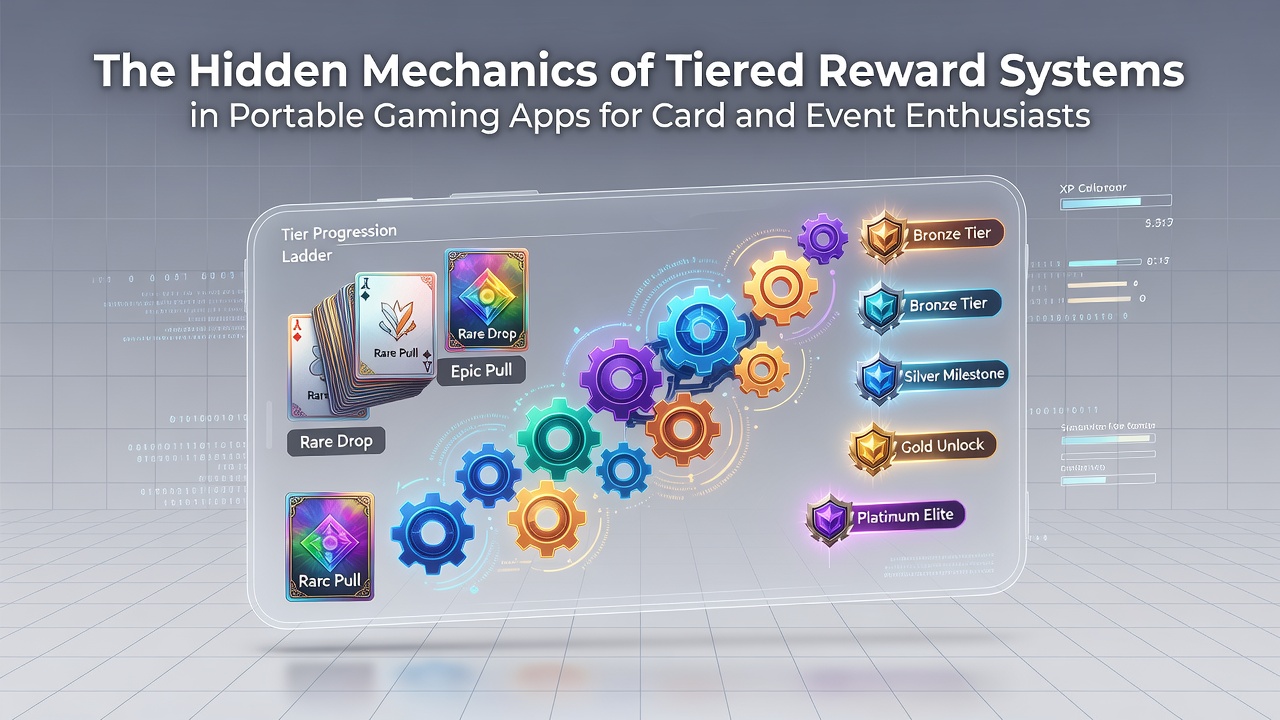
The Hidden Mechanics of Tiered Reward Systems in Portable Gaming Apps for Card and Event Enthusiasts
Portable gaming apps designed for card enthusiasts and event participants rely on tiered reward systems that track player activity through structured levels, and these frameworks determine access to exclusive features based on accumulated points from matches, event entries, and consistent participation. Data from industry reports shows that such systems operate on algorithms which calculate progression using metrics like win rates, session duration, and social interactions within the app environment.
Core Components of Tier Progression
Apps categorize users into ascending tiers that begin at entry levels such as novice or starter and advance toward advanced designations like elite or champion, while each stage unlocks specific benefits including custom card designs, priority event registration, and enhanced matchmaking options. Researchers at the Entertainment Software Association have documented how these tiers incorporate both visible milestones and concealed variables that adjust reward frequency according to user retention patterns observed across thousands of active accounts.
Points accumulate through daily challenges, tournament completions, and community contributions, yet hidden multipliers activate during peak event periods to accelerate movement between tiers for select participants who meet undisclosed activity thresholds. Observers note that this layered approach encourages repeated engagement without requiring direct purchases, although some platforms integrate optional in-app transactions that provide temporary boosts to point earnings.
Event Integration and Reward Triggers
Card and event focused apps synchronize tier mechanics with live tournaments and seasonal competitions, where performance in ranked events directly feeds into tier advancement while also granting participants access to specialized leaderboards. As of August 2026 several major platforms updated their systems to include cross-event tracking that combines results from multiple card formats into a unified progression score, allowing users who compete in both casual and competitive brackets to advance more efficiently.
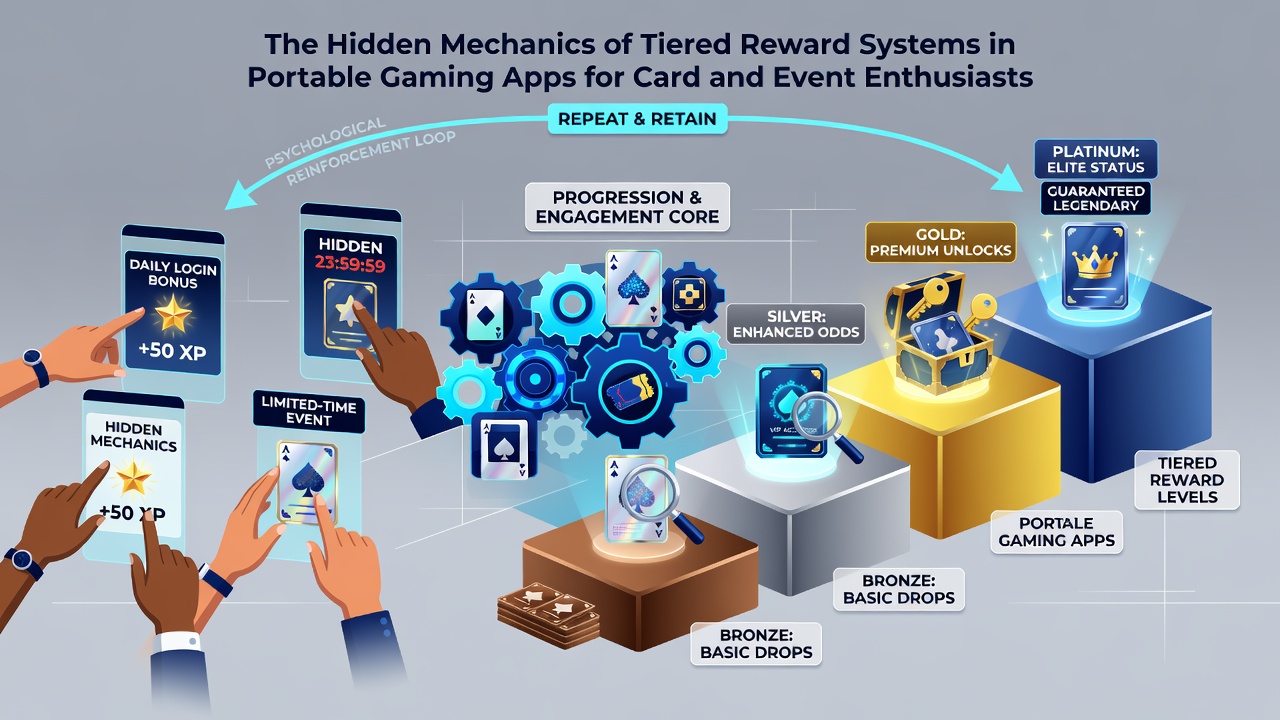
Event enthusiasts often discover that tier status influences invitation rates to private sessions and early access to new card releases, and studies indicate that higher-tier players receive statistically significant increases in notification frequency regarding upcoming gatherings. Those who have analyzed app data reveal that algorithms prioritize users who maintain consistent login streaks, creating feedback loops that reward habitual participation over sporadic high-performance sessions.
Algorithmic Transparency and User Navigation
Although many apps publish basic tier requirements on their support pages, the precise weighting of different activities remains partially opaque, which leads some users to experiment with varied play styles to identify optimal paths. According to findings published by the University of Melbourne's Games Research Lab, participants who combine event attendance with steady practice sessions reach upper tiers at rates 40 percent higher than those focused solely on competitive matches, highlighting the value of diversified engagement strategies.
Developers implement periodic resets or seasonal adjustments that redistribute points across the player base, and these changes prevent permanent stratification while resetting opportunities for new entrants each cycle. Mobile card apps frequently provide in-app dashboards that display current tier status alongside projected timelines for the next advancement, yet these projections incorporate variables that shift based on overall community activity levels.
Data Patterns in User Advancement
Analytics shared by regional gaming associations demonstrate that tiered systems correlate with increased session lengths across demographic groups, particularly among users aged 18 to 35 who participate in organized events. Figures reveal that apps incorporating social sharing features tied to tier achievements experience higher retention during the first three months of user activity compared with those lacking such integrations.
Event organizers leverage these systems to identify dedicated participants for volunteer roles or advisory panels, thereby extending the reach of tier mechanics beyond individual gameplay into community governance structures. Those tracking longitudinal data note that users who achieve mid-tier status within the first six weeks maintain activity levels substantially above average throughout the following year.
Conclusion
Tiered reward systems in portable gaming apps for card and event enthusiasts function through interconnected mechanics that balance visible milestones with algorithmic adjustments, and these structures continue to evolve as platforms refine their approaches to user retention and event coordination. Continued monitoring by research institutions provides ongoing insights into how such frameworks influence participation patterns across global user bases.