Regional Regulatory Shifts Reshaping Incentive Access Patterns Across Handheld Gaming Interfaces and Real-Time Table Environments
Zoe Sullivan · Aug 3, 2026
Regional Regulatory Shifts Reshaping Incentive Access Patterns Across Handheld Gaming Interfaces and Real-Time Table Environments
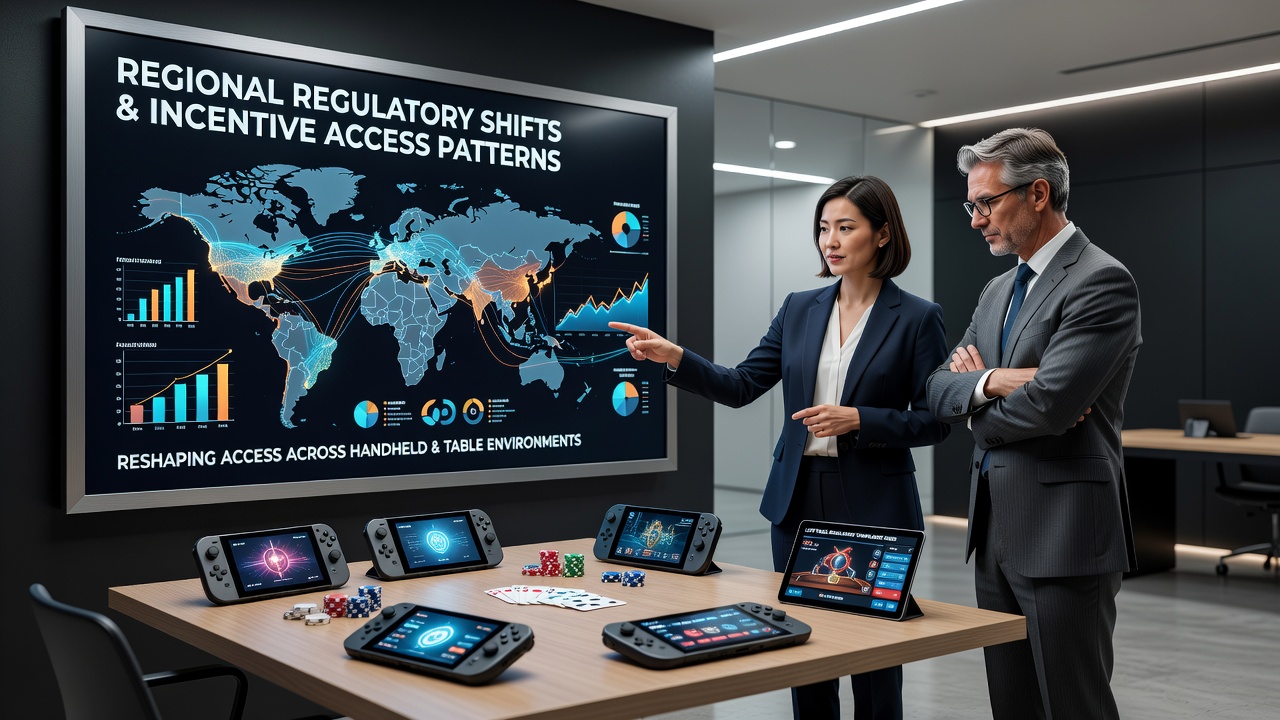
Regulatory bodies in multiple regions implemented new compliance layers during the first half of 2026 that directly modified how incentives reach users through mobile applications versus physical table operations, and these adjustments emerged from coordinated efforts to align digital verification standards with longstanding venue-based protocols. Data compiled by oversight agencies shows distinct patterns where handheld interfaces encountered stricter geolocation mandates while real-time table environments retained certain legacy access pathways tied to on-site identification procedures.
North American Policy Adjustments
Provincial authorities in Ontario introduced updated licensing conditions in March 2026 that required mobile gaming operators to embed additional identity layers before any incentive activation could proceed, whereas table environments at licensed venues continued to process similar incentives through physical card systems with fewer digital checkpoints. The Alcohol and Gaming Commission of Ontario documented a 14 percent rise in verification-related delays for mobile accounts during the subsequent quarter, while in-person table activity showed minimal disruption according to venue reports submitted to the same agency. Meanwhile several U.S. state commissions, including those in New Jersey and Pennsylvania, synchronized their mobile geofencing rules with federal banking guidelines released earlier that year, creating uniform boundaries that affected incentive delivery timelines on handheld devices but left casino floor operations largely untouched.
European and Asia-Pacific Variations
Across the European Economic Area, member states applied revised digital services directives that took effect in July 2026 and mandated separate reporting streams for mobile versus venue-based incentive programs, resulting in staggered rollout schedules where handheld platforms faced earlier compliance deadlines. Observers note that operators in Malta and Sweden adjusted their mobile interfaces first, embedding real-time spending caps that influenced how quickly users could unlock layered rewards, while table environments in the same jurisdictions maintained existing manual oversight models. In Australia the federal government updated interactive gambling regulations in August 2026 to require enhanced age-verification tokens on all mobile gaming sessions, a measure that extended processing times for incentive claims on handheld devices without imposing equivalent changes on licensed table operations in physical casinos. Industry figures from the Australian Communications and Media Authority indicate that mobile verification completion rates improved by 22 percent within two months of the update, whereas table-based processes showed steady continuity.
Operational Impacts on Handheld Platforms
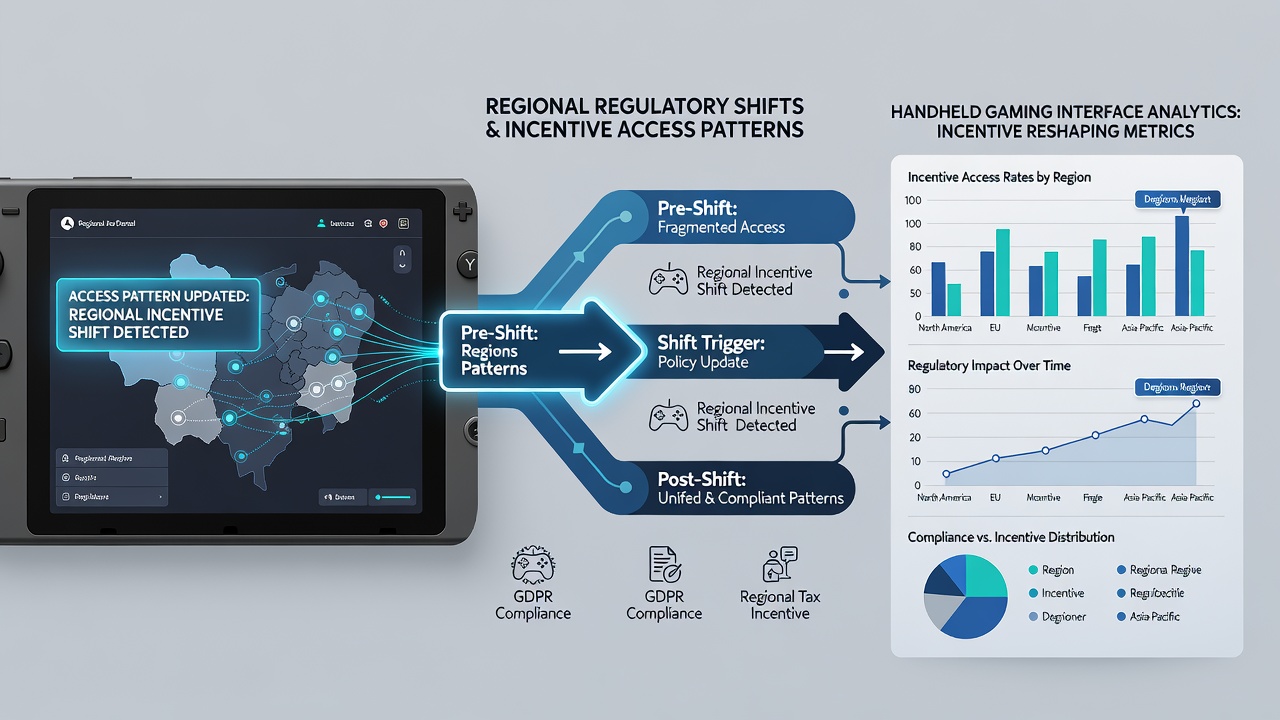
Mobile operators responded to these layered requirements by integrating unified authentication modules that combined biometric checks with regulatory database cross-references, and this technical shift produced measurable differences in incentive activation speed compared with prior years. Research published by the University of Nevada Reno Gaming Research Center in June 2026 tracked session data from multiple jurisdictions and found that handheld users encountered an average additional 48-second verification step before incentive features became available, whereas real-time table participants bypassed similar steps through direct staff interaction. Those who studied the datasets observed that regions enforcing the strictest mobile rules also recorded higher rates of users completing verification on first attempt once the systems stabilized.
Real-Time Table Environment Adaptations
Live table operations adapted through incremental staff training programs rather than wholesale platform overhauls, allowing venues to maintain familiar incentive workflows while satisfying updated audit trails. Regulatory filings from several Canadian provinces reveal that table environments incorporated digital receipt logging without altering the core physical interaction model, thereby preserving quicker access sequences for patrons already present at the venue. This approach contrasted with mobile environments where every session restart triggered fresh verification cycles under the new rules.
Cross-Regional Data Patterns
Comparative analyses released in August 2026 by the International Association of Gaming Regulators highlighted that jurisdictions adopting phased implementation schedules experienced smoother transitions overall, with mobile incentive access stabilizing within four to six weeks after initial rollout. The same reports noted persistent gaps between mobile and table access speeds in regions that applied simultaneous rule changes across both channels, underscoring the practical differences in how digital and physical environments absorb regulatory updates. Figures from these analyses show mobile platforms absorbing the majority of new compliance costs during the transition period while table environments distributed costs across existing operational budgets.
Conclusion
Regional regulatory shifts continue to produce differentiated effects on incentive access depending on whether engagement occurs through handheld interfaces or real-time table settings, and the patterns observed through mid-2026 indicate that mobile environments absorb verification and reporting mandates more rapidly than their physical counterparts. Ongoing monitoring by government agencies and academic researchers will determine whether these divergences narrow as operators refine their systems and regulators refine enforcement approaches across borders.