Navigating Prestige Pathways: How Structured Incentives Drive Cross-Platform Advancement in Handheld Gaming, Card Sessions, and Athletic Odds Markets
Jordan Foster · Aug 8, 2026
Navigating Prestige Pathways: How Structured Incentives Drive Cross-Platform Advancement in Handheld Gaming, Card Sessions, and Athletic Odds Markets
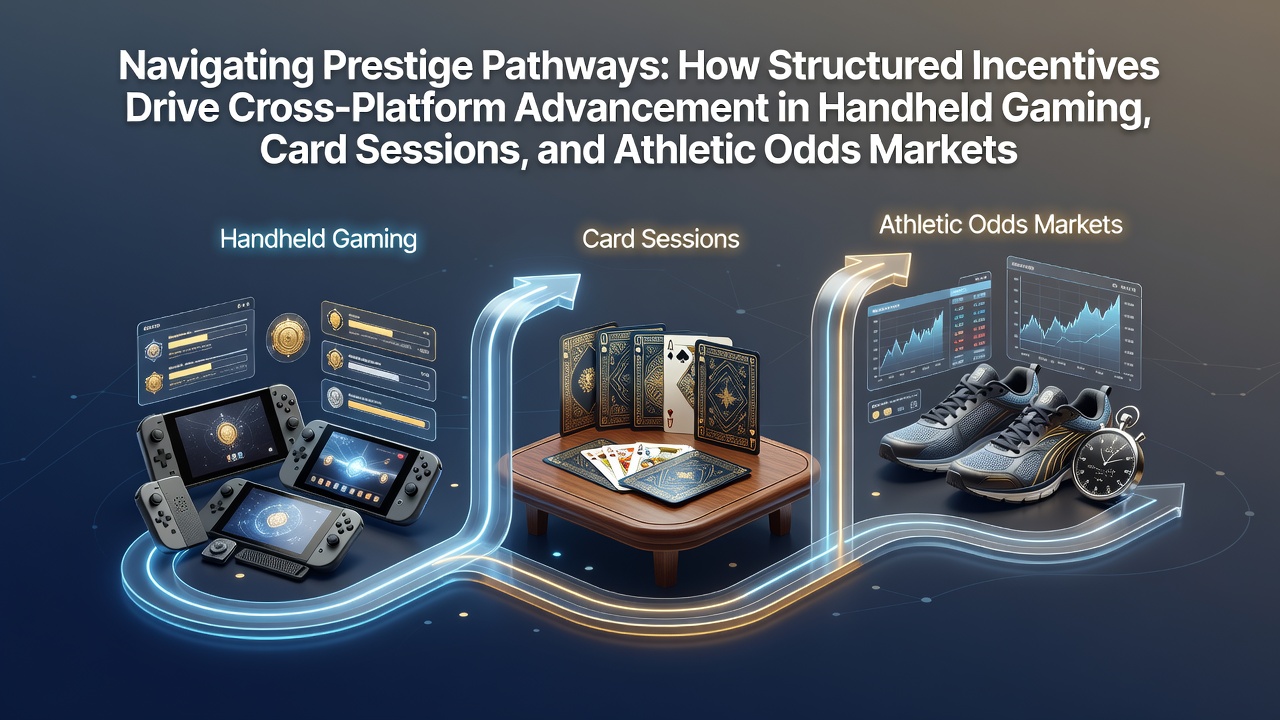
Structured incentive systems operate across handheld gaming platforms, card sessions, and athletic odds markets by assigning points, tiers, and unlockable rewards that users accumulate through consistent participation; these mechanisms create measurable pathways that connect casual mobile engagement with deeper involvement in card play and sports wagering environments. Data from industry reports indicate that such systems track activity across device types and game categories, converting performance metrics into status elevations that apply across multiple formats.
Core Mechanics of Incentive Structures
Handheld gaming applications deploy daily login sequences, achievement badges, and progression ladders that award virtual currency and experience multipliers, while card session platforms layer similar elements through tournament entries, hand rankings, and loyalty counters that translate into table access privileges. Athletic odds markets integrate these patterns by offering stake credits, odds boosts, and market-specific milestones that feed back into the same overarching account profiles, allowing accumulated value to transfer between segments without resetting progress indicators. Observers note that synchronization occurs through centralized user accounts where activity in one area automatically updates eligibility in others, creating seamless transitions documented in platform architecture descriptions.
Cross-Platform Advancement Patterns
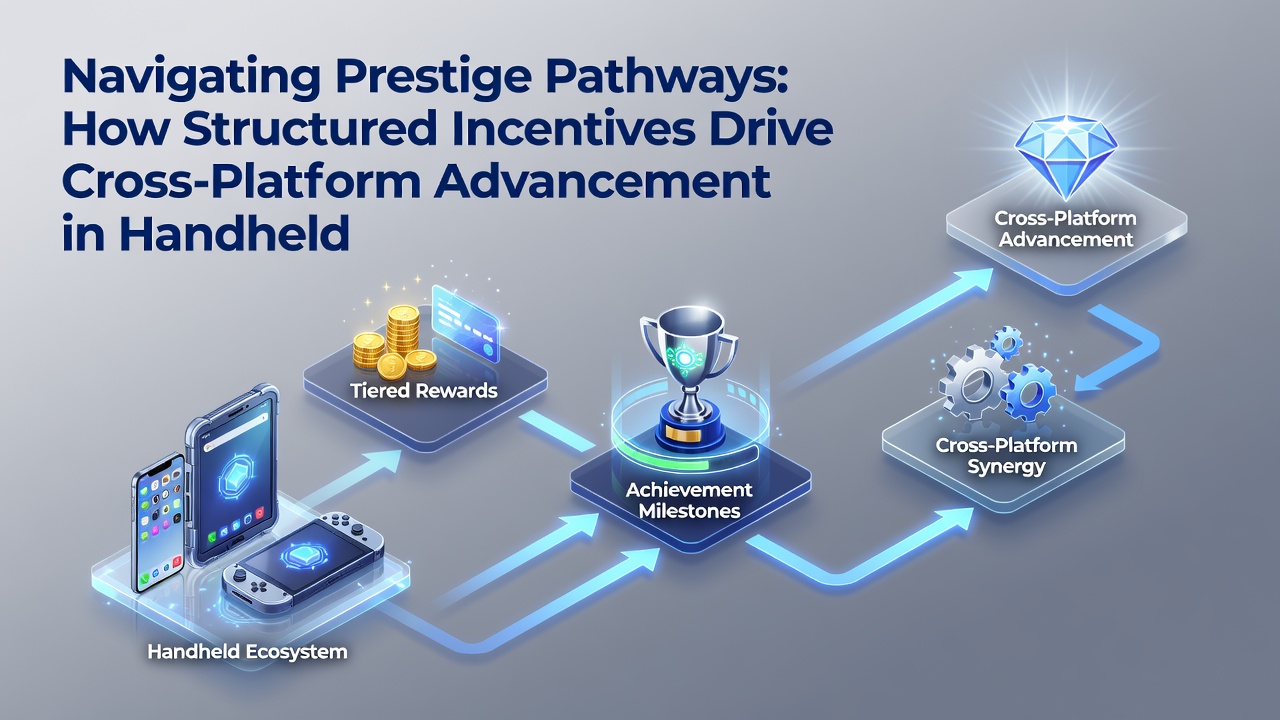
Users begin in handheld environments where short-session rewards build initial point pools, then carry those balances into card sessions that require minimum thresholds for premium seating or private tables; successful card outcomes generate additional multipliers that apply directly to athletic odds accounts, unlocking enhanced lines and reduced margins on select events. Research from the University of Nevada's International Gaming Institute shows that integrated reward databases record these transfers in real time, with August 2026 updates introducing standardized APIs that further streamline data sharing between mobile developers, card room operators, and betting exchanges. The result appears in user dashboards that display unified prestige levels rather than isolated metrics for each category.
Case examples from major operators illustrate the process: a player completing a mobile puzzle streak receives entry tokens valid for low-stakes poker events, and consistent poker results convert into free bet vouchers usable across football and basketball markets. These exchanges rely on fixed conversion rates published within each platform's terms, ensuring transparency in how one category's output becomes another's input.
Regional Regulatory Influences on Pathway Design
Regulatory frameworks in multiple jurisdictions shape how incentives function without altering their core transfer mechanics. Canadian provincial oversight through the Alcohol and Gaming Commission of Ontario requires clear disclosure of point expiration and transfer rules, whereas Australian state commissions mandate reporting on cross-product reward flows to maintain responsible play standards. European Union directives on consumer protection similarly require operators to present pathway information in accessible formats, leading to standardized progress trackers that appear across handheld, card, and odds interfaces. These requirements ensure that advancement remains traceable and that users receive consistent status updates regardless of which segment they enter first.
Technical Implementation and Data Tracking
Backend systems employ unified player profiles that log every rewarded action with timestamps and category tags, enabling algorithms to predict and surface relevant next-step incentives. When August 2026 platform updates rolled out enhanced machine learning modules, operators gained capacity to suggest card sessions to mobile-heavy users and athletic odds opportunities to card-active accounts based on historical patterns. Industry associations such as the Interactive Games & Entertainment Association document these shifts through annual reports that track average pathway completion times and segment crossover rates across participating companies.
Conclusion
Structured incentives continue to link handheld gaming, card sessions, and athletic odds markets through shared progression systems that convert activity in one area into advantages in others. Centralized tracking, regulatory disclosures, and technical updates maintain the pathways while preserving measurable advancement for participants across all three domains.