Mapping Incentive Networks Fueling Status Growth Across Digital Table, Card, and Betting Platforms
Zoe Sullivan · Nov 14, 2026
Mapping Incentive Networks Fueling Status Growth Across Digital Table, Card, and Betting Platforms
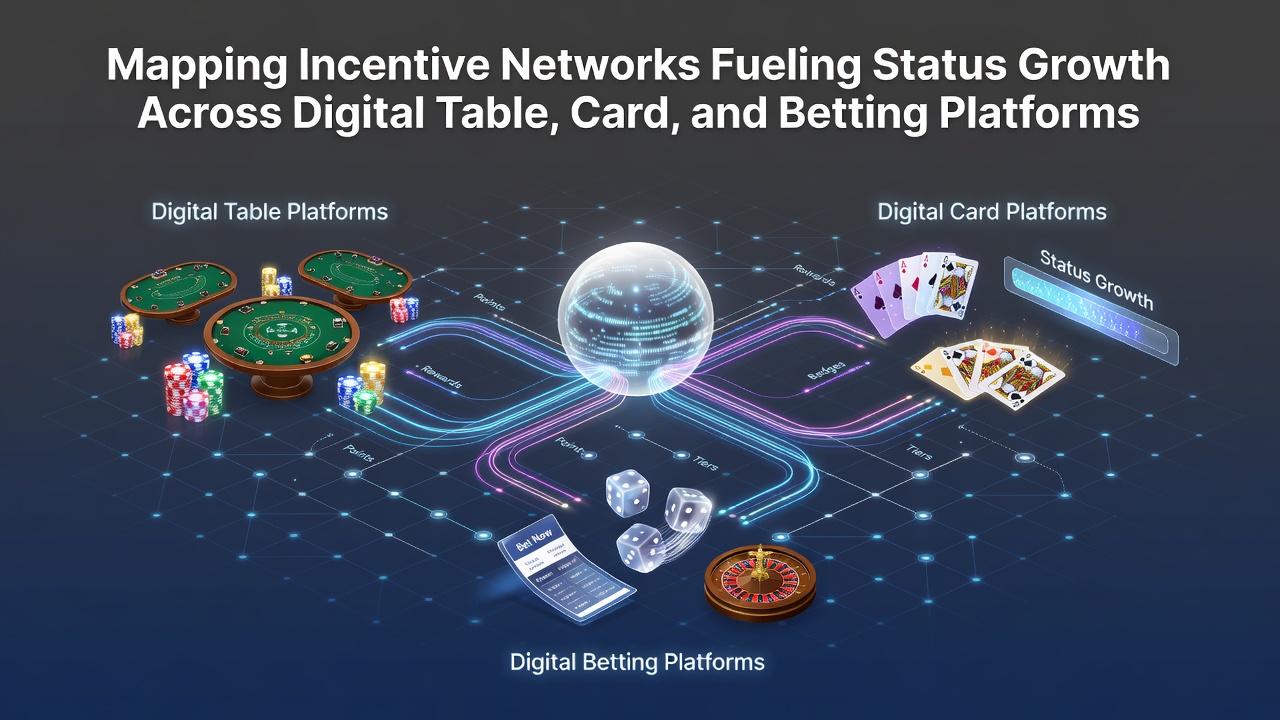
Digital platforms that host table games, card rooms, and betting markets operate through layered incentive systems where points, tiers, and rewards interconnect to support user progression toward higher status levels, and observers note that these networks often link initial entry offers with ongoing engagement mechanics across multiple game types.
Core Components of Incentive Networks
Table game environments typically award loyalty points based on time spent and wager volume while card platforms emphasize tournament participation and hand volume metrics, whereas betting interfaces track stake amounts and market selections to feed into shared status frameworks, and data from industry analyses shows these elements combine to create pathways where activity in one area accelerates advancement in others.
Research indicates that many systems allow points earned from live dealer sessions to convert directly into poker tournament entries or betting free credits, which in turn unlock tiered benefits such as reduced rake or enhanced odds, and this mapping creates a continuous flow where early-stage rewards support sustained participation without requiring separate qualification processes for each platform category.
Cross-Platform Status Progression Mechanics
Users who begin with basic table game play often accumulate foundational points that feed into unified loyalty ledgers, and those ledgers then trigger eligibility for card room VIP programs or betting market premium features once thresholds are met, while November 2026 updates across several major operators introduced synchronized tracking tools that display real-time status across all three categories simultaneously.
According to reports from the American Gaming Association, integrated networks have expanded point exchange rates between categories by measurable margins in recent years, allowing table game hours to contribute toward poker prestige ranks and sports market cashback percentages at the same time.
Role of Tiered Rewards in Network Expansion
Entry-level incentives in digital table settings frequently include time-limited point multipliers that connect to longer-term loyalty ladders, and these ladders extend into card arenas through shared milestone bonuses while also bridging to betting platforms via deposit-matched credits that count toward overall status calculations, and evidence from platform analytics reveals that such linkages reduce the steps needed to reach mid-tier and elite designations.
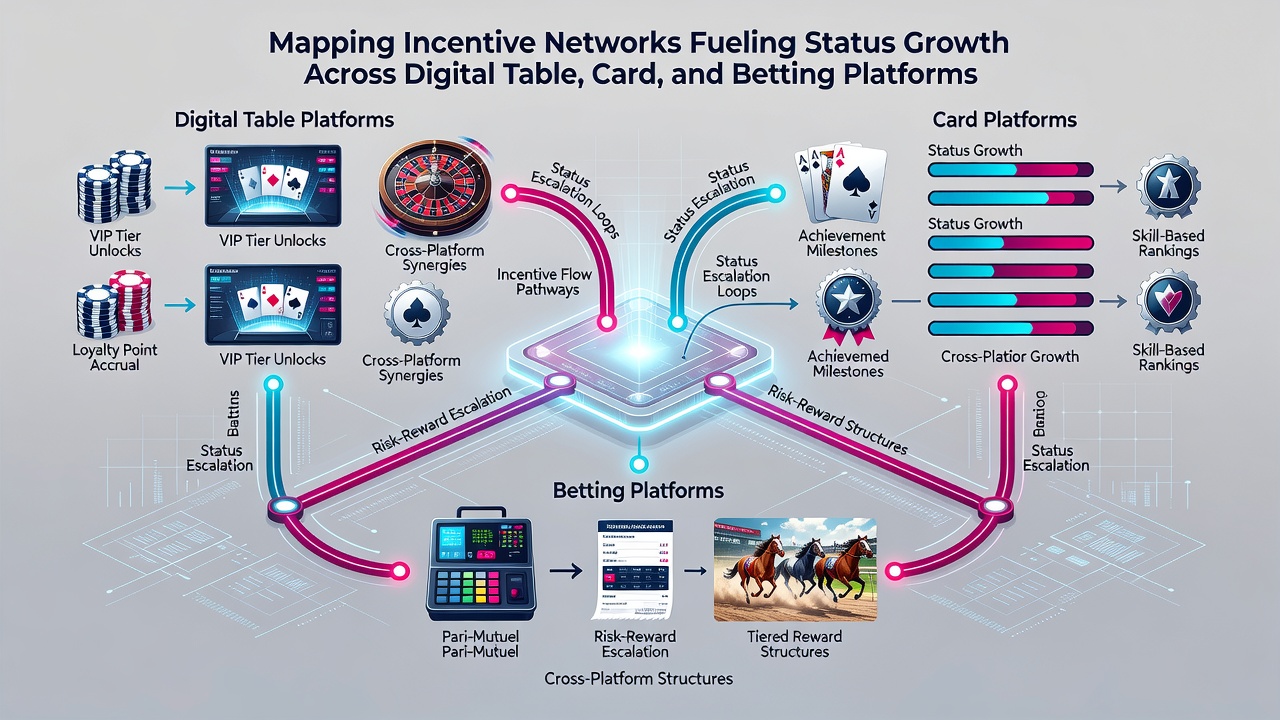
Observers note that once users enter mid-tier status, additional accelerators activate such as personalized challenge sets that span game types, where completing a table game streak might unlock a poker satellite seat that simultaneously counts toward betting volume requirements, and this design keeps activity distributed rather than concentrated in single categories.
Data Patterns in Status Growth
Studies compiled by academic researchers at institutions tracking digital gaming behaviors demonstrate that interconnected incentive structures correlate with higher retention across table, card, and betting segments compared to isolated reward programs, and figures reveal that users engaging with mapped networks reach premium status thresholds in fewer calendar days on average.
Platform operators have adjusted their systems in response to these patterns by introducing unified dashboards that visualize progress across all three areas, and this visibility encourages continued participation because users see how table game contributions directly influence upcoming card room privileges or betting market advantages without needing to navigate separate interfaces.
Regulatory and Operational Considerations
Government agencies in multiple jurisdictions require clear disclosure of how points and tiers interconnect, which has led operators to publish detailed mapping guides that explain conversion rates and qualification criteria for each category, and compliance documentation from sources such as the Canadian Gaming Association shows standardized reporting on these networks has increased transparency for participants.
Operational teams monitor network performance through metrics that track point flow between table, card, and betting environments, and adjustments occur when certain pathways show disproportionate usage, ensuring balanced growth opportunities remain available across the full range of platform offerings.
Conclusion
Incentive networks across digital table, card, and betting platforms function through deliberate interconnections that convert activity in one area into measurable status gains in others, and ongoing refinements in tracking and reward mapping continue to shape how users advance through tiered systems as of late 2026.