Examining How Coded Incentives Integrate with Mobile Loyalty Tiers to Support Sustained Play Across Poker Tournaments and Event-Based Betting Platforms
Zoe Sullivan · Aug 15, 2026
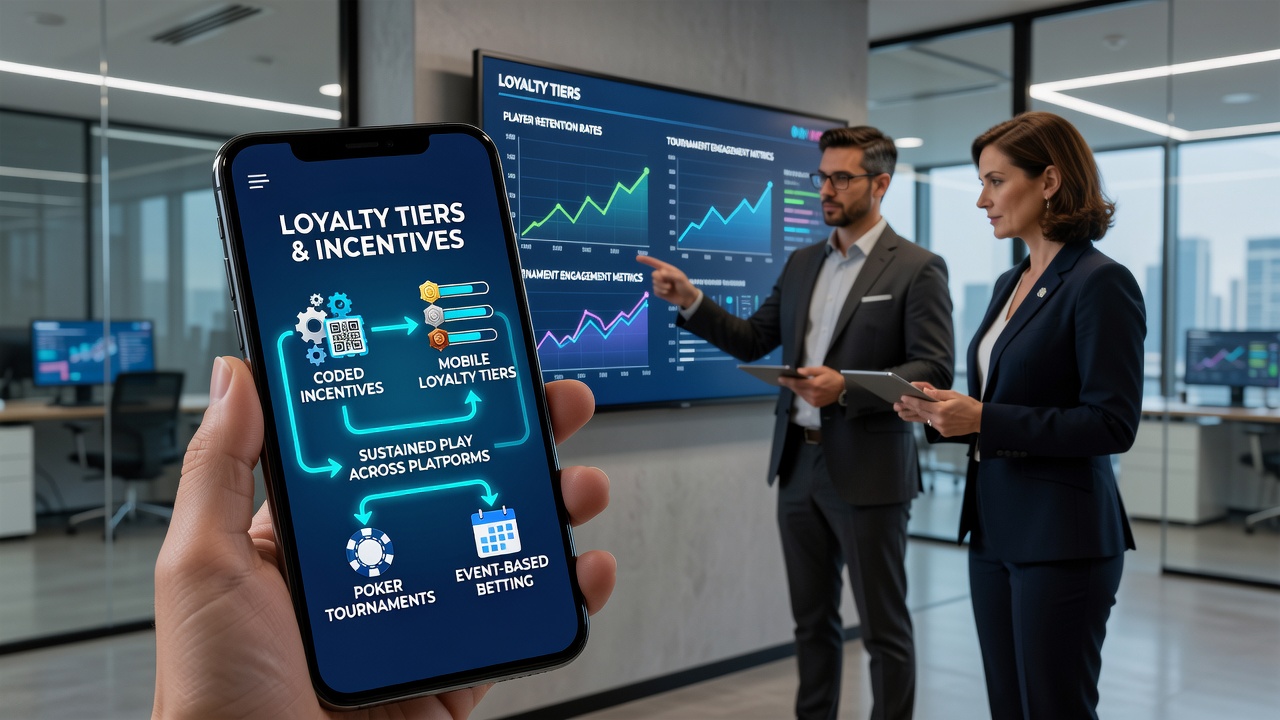
Examining How Coded Incentives Integrate with Mobile Loyalty Tiers to Support Sustained Play Across Poker Tournaments and Event-Based Betting Platforms
Platforms that run poker tournaments alongside event-based betting have started combining coded incentives with mobile loyalty tiers in structured ways that encourage repeated participation, and data from industry reports show these systems track player activity across sessions rather than isolated events. Coded incentives typically appear as alphanumeric sequences that unlock tiered rewards once players enter them through dedicated app sections, while mobile loyalty tiers assign points based on wager volume, tournament entries, and live event participation. These two elements connect when codes grant immediate boosts to a player's current tier status or extend the window during which points accumulate toward higher levels.
Mechanics of Code Integration with Loyalty Systems
Operators design coded incentives so that redemption directly feeds into loyalty algorithms, and according to figures released by the American Gaming Association in mid-2025, such linkages increased average session lengths by measurable margins across participating sites. A player who enters a code during a mobile poker tournament might receive bonus points that count toward monthly tier advancement, whereas the same code applied to an event-based betting market could multiply points earned from specific wagers. The integration relies on backend tracking that registers the code at the moment of use and then adjusts the loyalty ledger without requiring separate manual updates.
Developers maintain separate code pools for different game types, yet the loyalty tier engine treats points from poker and betting uniformly once they enter the shared system. This uniformity allows a single mobile profile to reflect activity across both formats, and researchers at the University of Nevada, Las Vegas documented in a 2025 working paper how unified ledgers reduce player drop-off between tournament phases and live betting windows. Codes often carry expiration dates that align with loyalty reset cycles, which encourages players to apply them before the next tier evaluation period begins.
Mobile-Specific Features Supporting Sustained Engagement
Mobile applications display real-time tier progress alongside active codes, and push notifications alert users when a new code becomes available that could accelerate advancement. These notifications trigger during tournament registration or before major betting events, and the timing correlates with higher redemption rates according to platform telemetry shared at industry conferences. Loyalty tiers themselves unlock mobile-exclusive perks such as faster withdrawals or priority entry into satellite tournaments, which further tie coded incentives to continued platform use.
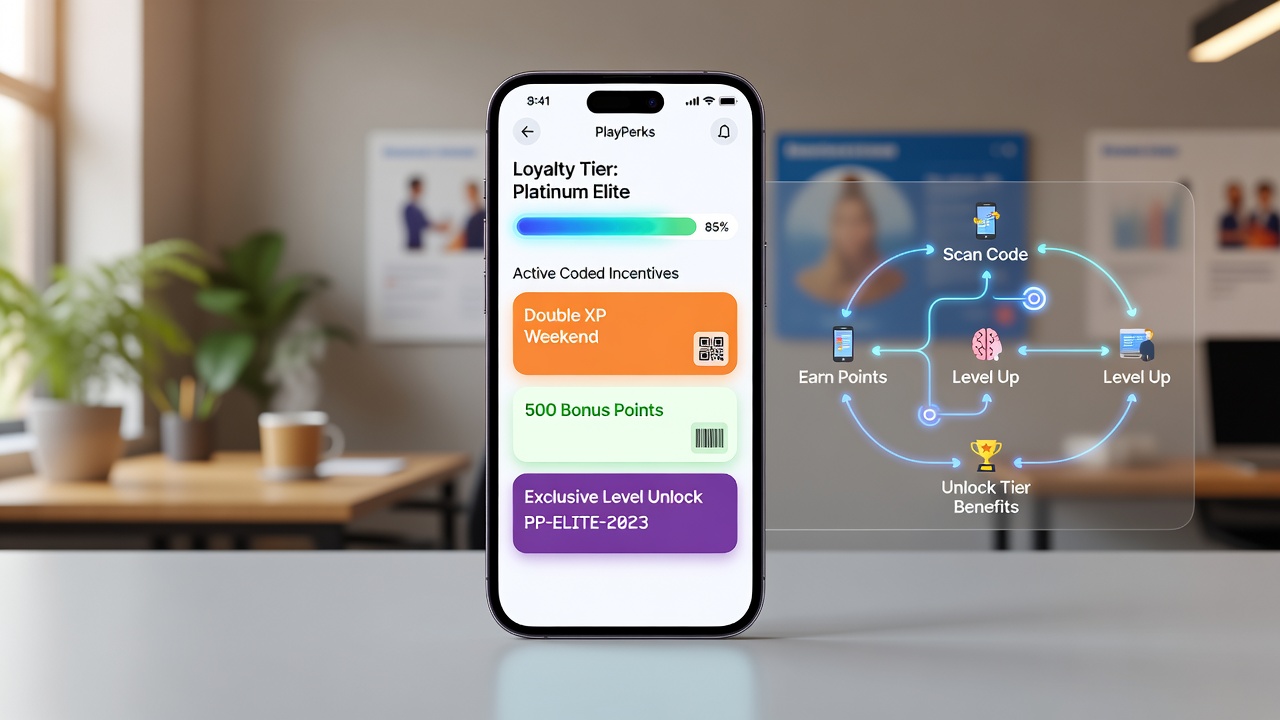
Event-based betting platforms add another layer by tying codes to specific matches or series, and players who redeem during designated windows receive tier points scaled to the event's volatility. As of August 2026, several operators reported that mobile users who combined codes with tier progression completed more consecutive tournament entries than those who used either feature in isolation. The pattern holds across both poker and sports-adjacent betting because the loyalty engine records every eligible action regardless of format.
Effects on Tournament and Event Participation Patterns
Observers note that coded incentives reduce the barrier to entering higher-stakes poker tournaments once players reach mid-tier status, since many codes waive entry fees or supply additional starting chips that count toward loyalty metrics. Event-based betting sees similar effects when codes provide risk-mitigated wagers that still generate full tier points, and aggregated data indicate these mechanisms support longer sequences of activity across multiple events rather than single isolated bets. The structure keeps players returning because each completed action feeds the next tier threshold, and codes serve as periodic accelerators within that loop.
Regional regulatory filings from the Nevada Gaming Control Board through early 2026 list loyalty program participation rates that rose steadily after operators began linking codes directly to tier calculations. The same filings show that mobile interfaces account for the majority of code redemptions, which aligns with the broader shift toward app-based tournament and betting access. Players who maintain consistent activity across both poker and event betting therefore accumulate tier benefits faster than those focused on one vertical alone.
Conclusion
Coded incentives and mobile loyalty tiers function as interconnected components that record, reward, and extend player engagement across poker tournaments and event-based betting platforms. The integration occurs through shared tracking systems that convert code redemptions into tier progress, and mobile delivery channels amplify the effect by providing immediate visibility and timely prompts. Available figures from regulatory and academic sources confirm that these combined tools correlate with sustained participation patterns, particularly when codes align with event schedules and tier evaluation cycles.